
Social Media Marketing in Indonesia: 7 Tips That Work


Social media in Indonesia is loud, fast, and crowded. Everyone is posting. Everyone is advertising. And users are very good at ignoring content that feels fake, forced, or overly sales-driven.
In 2026, social media will take up a significant share of Indonesia’s digital advertising spend. But budget alone doesn’t guarantee results. What matters is how brands show up, who delivers the message, and whether the content feels useful to real people.

These seven tips are based on what we see working on the ground—across beauty, tech, FMCG, and lifestyle campaigns in Indonesia.
7 Tips for Social Media Marketing in Indonesia 🔽
Tip 1: Local Relevance Beats Perfect Execution
Brands don’t fail in Indonesia because their content is bad. They fail because it feels distant.
Local relevance matters more than polished visuals. That means:
Using Bahasa Indonesia properly
Matching local humor and pacing
Referencing situations people actually live through
English-only content or globally approved messaging usually underperforms. Even bilingual audiences respond better when brands speak like locals, not like headquarters.
The goal isn’t to sound trendy but to sound familiar.
Learning from real example
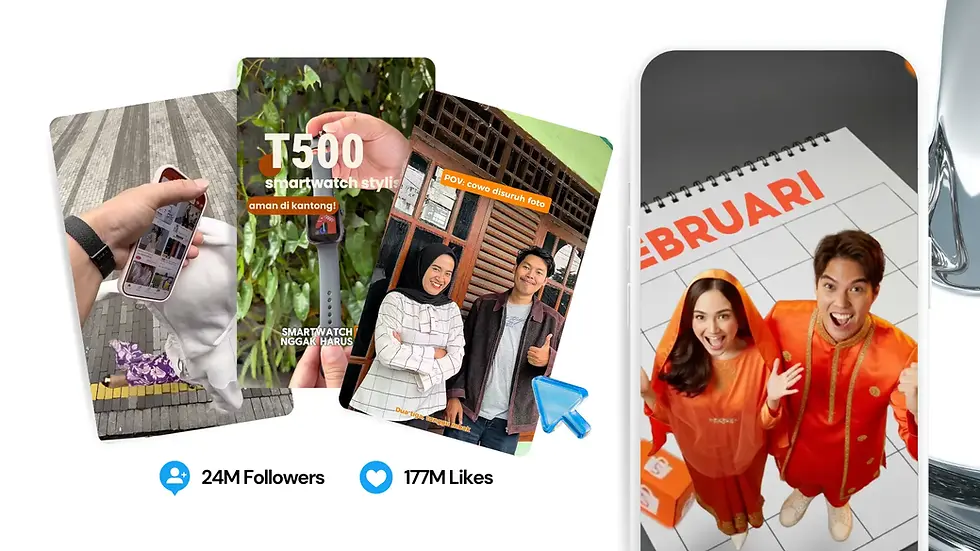
Shopee is a Singaporean company, but it feels local in Indonesia. They didn’t copy global creatives. They leaned into Indonesian humor, everyday moments, and content that highlights local sellers.
That approach is a big reason Shopee became the most used e-commerce platform in the country. Viewers love how Shopee gives them shopping ideas and how entertaining the videos are.
Tip 2: Influencers Are a Trust Layer, Not a Media Shortcut
Influencers play a real role in how Indonesians make decisions. People follow creators to:
Compare products
Understand pricing
See how something fits into daily life
This is why influencer marketing works—but only when it’s done properly.
What we see work best:
Creators who already talk about the category
Content that feels like a review, not a script
Freedom for the creator to explain things in their own way
Over-briefing and forcing brand language usually kills performance.
Learning from real example
Samsung Indonesia consistently partners with trusted tech reviewers. This makes sense. Indonesians take gadget purchases seriously, especially smartphones. Before spending, people almost always watch in-depth reviews from experts they trust.
By working with voices audiences already rely on, Samsung doesn’t need to oversell—the trust is already there.
Audiences respond to their reviews positively. Asking follow up questions and asking for even more comparisons because viewers believe their opinions are the only one that matters.

Tip 3: User Content Builds Credibility Faster Than Brand Claims
If you want trust in Indonesia, let real users talk.
User-generated content works because it feels:
Unfiltered
Relatable
Honest
Campaigns that encourage customers to share real experiences—good or imperfect—often outperform branded posts. It also creates a feedback loop: people see others using the product, then feel more confident trying it themselves.
UGC doesn’t need to be viral. It needs to be believable.
Learning from real example
Rizfany is a hair and beauty creator who regularly posts unsponsored reviews of hair tools and products. She doesn’t dress them up. She talks about what worked, what didn’t, and why.
That consistency is exactly why people trust her opinions on hair care. The credibility wasn’t built through paid campaigns—it came from showing up honestly, over time.
Most of her videos generate positive comments from her audience. With followers requesting her reviews on certain products. Some even responded that they won’t buy hair products before Rizfany reviews them!

Tip 4: Mobile-First Is Not a Trend. It’s the Default.

Almost everything in Indonesia happens on a phone. In fact, Indonesians surf the internet via mobile phone for up to 5 hours.
That affects:
Video length
Text density
Hook timing
Landing page behavior
If your content takes too long to explain itself, people scroll. If your landing page isn’t mobile-friendly, people leave. Social performance drops quickly when the mobile experience is an afterthought.
Think thumb-first, not screen-first.
Tip 5: Engagement Is Not Optional
Indonesian users expect brands to respond.
Comments, DMs, and replies are part of the experience. Brands that ignore conversations look distant. Brands that respond feel human.
We’ve seen engagement improve simply by:
Replying to comments consistently
Acknowledging feedback publicly
Using conversational language instead of corporate tone
Social media here is not a broadcast channel. It’s a dialogue.
Learning from real example
On TikTok, some of the strongest brand moments don’t even come from ads. They happen in the comments. When a brand leaves a casual, humorous comment on the right creator’s video, it humanizes the brand instantly. Done well, it feels natural and respectful. Done poorly, it feels forced.
We’ve seen that choosing the right video—and matching the creator’s tone—matters just as much as the comment itself. The comments made under the creators page are mostly replied with positive sentiments from audience members or the creators themselves.

Tip 6: Use Data to Adjust, Not to Over-Control
Data matters—but not all metrics matter equally.
Instead of chasing vanity numbers, focus on:
Saves
Meaningful comments
Click quality
Conversion paths
High reach with low interaction is common in Indonesia and often misleading. The best-performing campaigns are usually refined week by week—based on real audience behavior, not assumptions.
Test, learn, adjust. Repeat.
Tip 7: Watch Local Behavior, Not Just Global Trends
Global trends arrive in Indonesia—but they don’t always land the same way.
Platform behavior changes quickly. TikTok usage patterns today are different from last year. Instagram content tolerance shifts. New formats rise quietly before becoming obvious.
Brands that perform well:
Study local creators, not just competitors
Watch how users actually interact
Adapt early instead of copying late
What worked last quarter may already be outdated.
Learning from real example
A new format that is currently rising around travel contents are “Spill Budget” contents, where travelers disclosed how much they spent during their trip. “Spill Budget” contents are viral because Indonesians – especially Gen Z travelers love budget travelling. They would love to compare if a certain activity or destination is worth exploring and search for tips to get the best deals during their travel.
A great example, Indonesia Immigration partnered with Rossa Farah Diba as she disclosed how much she spent during her trip to Japan. However, all of that money spent was worth the memories and encouraged her to travel more – especially now that Indonesia Immigration has launched a new app called All Indonesia to simplify their arrivals.
The content gained positive reactions from viewers as they commented the app is essential for their trips in the future.

CONCLUSION
Social media marketing in Indonesia isn’t about doing more.It’s about doing things closer to how people really live and decide.
Local relevance. Trusted voices. Useful content. Mobile-first thinking. Real engagement. Practical data use. Constant adjustment.
Brands that respect these fundamentals don’t just get attention—they earn trust. And in Indonesia, trust is what converts.
Frequently Asked Questions (FAQs)
Does social media marketing still work in Indonesia in 2026?
Yes—but only when it feels local and human. Audiences scroll fast and ignore anything that feels scripted, overly polished, or out of touch with daily life.
Which platforms matter most for brands in Indonesia?
TikTok, Instagram, and YouTube lead decision-making today. TikTok drives discovery, Instagram supports credibility, and YouTube builds deeper understanding—especially for considered purchases.
Do brands need influencers to succeed in Indonesia?
Not always, but trusted creators help shorten the trust gap. Influencers work best when they already speak about the category and explain products in their own words.
What type of content performs best?
Content that feels familiar. Simple explanations, real usage, honest opinions, and mobile-first formats consistently outperform polished brand ads.
Is engagement really that important?
Yes. Replying to comments and DMs directly impacts perception. Brands that interact feel present. Brands that stay silent feel distant.

